Trump’s threats against Iraq could backfire
TEHRAN – The U.S. president’s aggressive rhetoric about Iraq’s political future may ultimately produce the opposite of its intended effect.
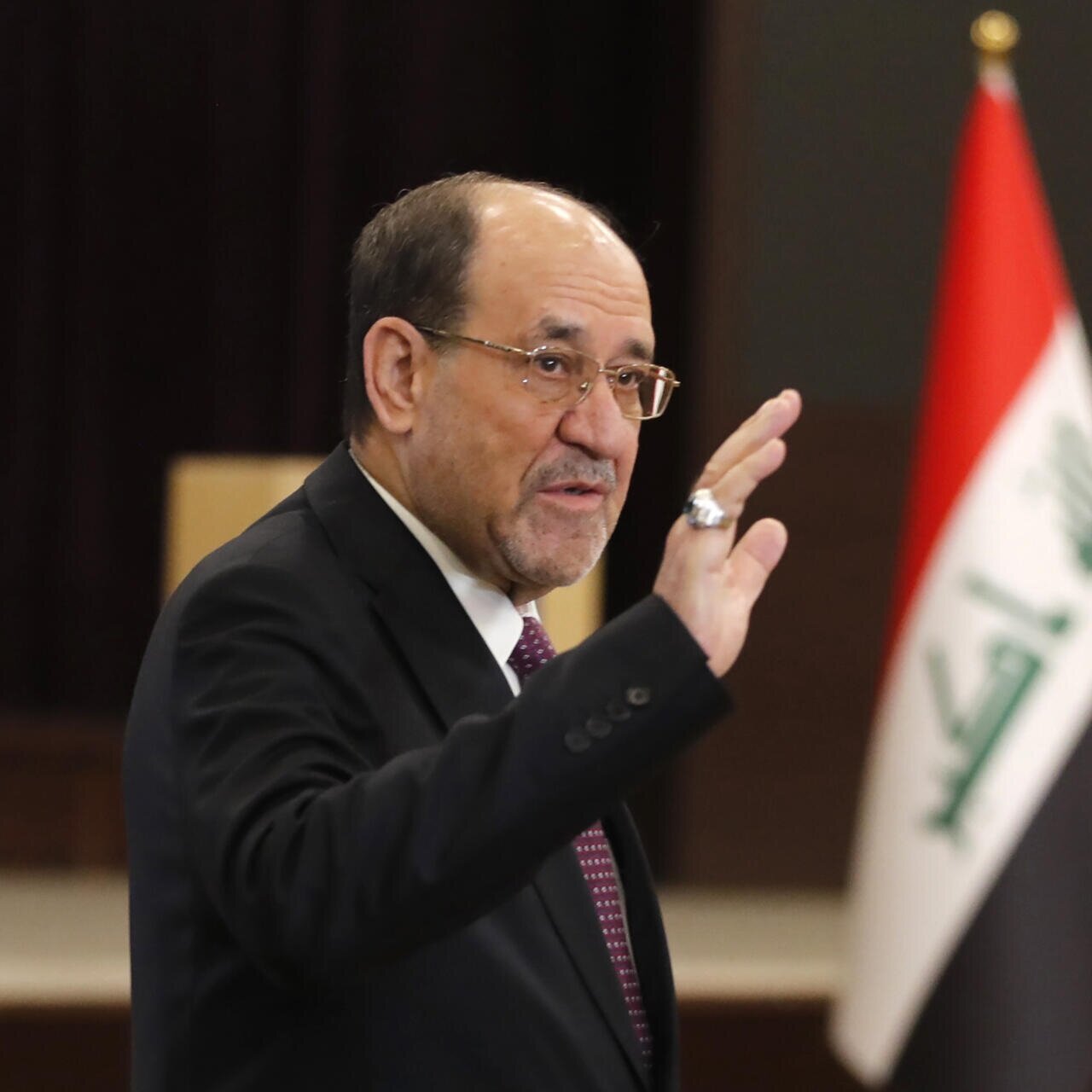
Rather than sidelining Nouri al-Maliki as the nominee for prime minister, threats from the administration of U.S. President Donald Trump risk transforming the politician into a symbol of national defiance.
Controversy erupted after Trump warned that “the United States of America will no longer help Iraq” if al-Maliki were to return to power, adding that without U.S. support, Iraq would have “zero chance of success and prosperity.” The warning strongly suggested that Washington could respond by seizing Iraq’s oil revenues held in New York.
Even before Trump’s remarks, U.S. Secretary of State Marco Rubio had issued similar statements.
Behind the rhetoric, the administration likely intended these warnings as a deterrent, aimed at discouraging Iraqi lawmakers from supporting al-Maliki’s appointment as prime minister in parliament.
Al-Maliki condemned what he described as a “violation of Iraqi sovereignty,” characterizing Trump’s threats as “blatant American interference in Iraq’s internal affairs.” The Iraqi Presidency, Judiciary and senior officials echoed this view, stating that government formation is a sovereign matter.
By making U.S. support conditional on specific political outcomes, the White House has shifted Iraq’s post-election debate away from al-Maliki’s policies and toward the far more volatile issue of foreign interference.
When facing outside pressure, Iraqi public debate often shifts from questioning its own leaders to prioritizing national unity and defense. Demonstrations took place outside the U.S. embassy with angry protesters setting the American flag on fire.
This interference is especially troubling when seen in the context of Trump’s broader foreign policy approach, marked by aggression toward Venezuela, renewed threats against Iran, and a reliance on punitive pressure as a primary tool of engagement.
To much of the Iraqi electorate, the message is clear: the United States views Iraq as a client state rather than a partner.
This creates a sovereignty trap for Washington. When a foreign power publicly attempts to veto a candidate, it often provokes a defensive nationalist response in Iraq.
The greatest irony of this pressure campaign lies in its impact on al-Maliki himself. Although he remains a divisive figure within segments of Iraqi society, Trump’s public attack has effectively granted him a resistance aura.
Sheikh Akram al-Kaabi, secretary-general of the al-Nujaba movement, warned that violations of Iraqi sovereignty and foreign interference in domestic affairs would no longer be tolerated.
He further cautioned that speculation about replacing U.S. forces with NATO troops would not alter the movement’s position, declaring all foreign military entities “legitimate targets.”
By casting al-Maliki as the figure Washington fears most, the United States has inadvertently renewed his legitimacy among those who resent American interventionism.
Rather than weakening his political standing, these interventions have hardened positions across the spectrum. The Coordination Framework, the dominant political bloc, is now less inclined to compromise, as doing so would appear to be capitulation to foreign dictates.
Meanwhile, delays in the parliamentary session to elect a president and form a government stem from internal political disputes, not pressure from Washington.
The Trump administration may have fallen into a familiar trap. By attempting to coerce Iraq through public threats, the United States risks undermining its own credibility while deepening public resentment.
In trying to force Iraq forward, Washington may instead have paved the way back to the past, nudging the country closer to the very leader it seeks to exclude.
Leave a Comment